
Welcome to the Department of Agronomy and Organic Farming


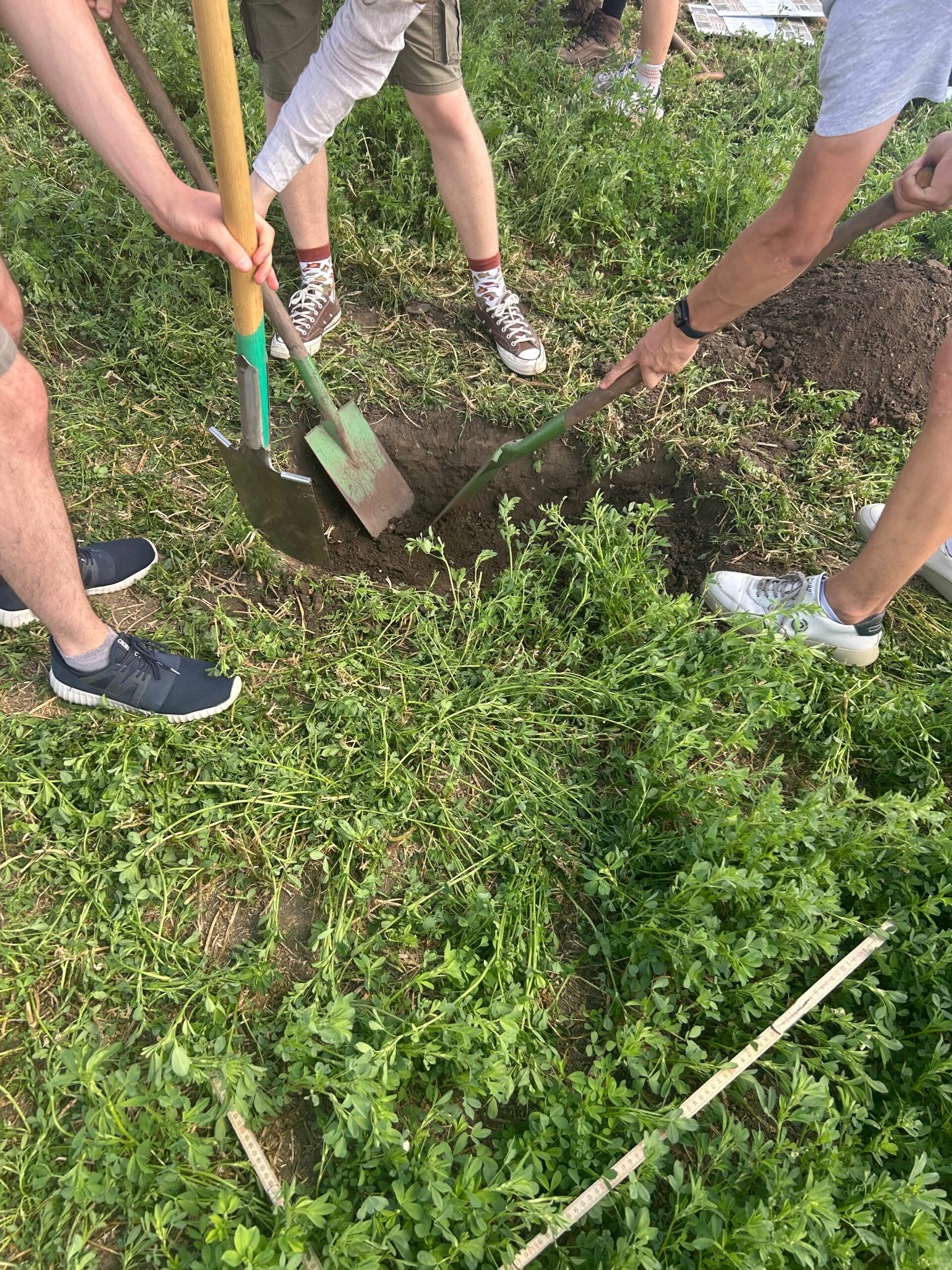


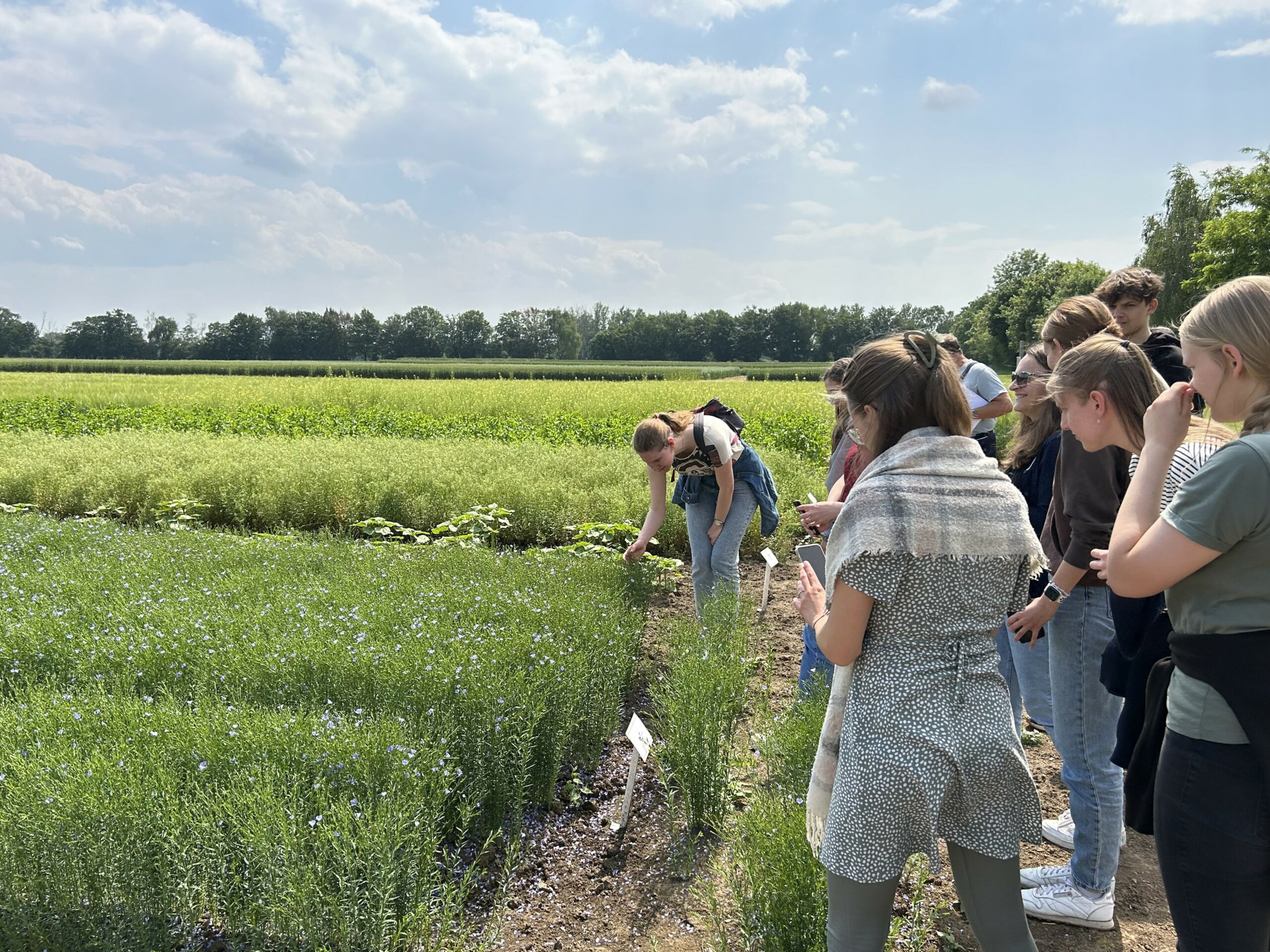

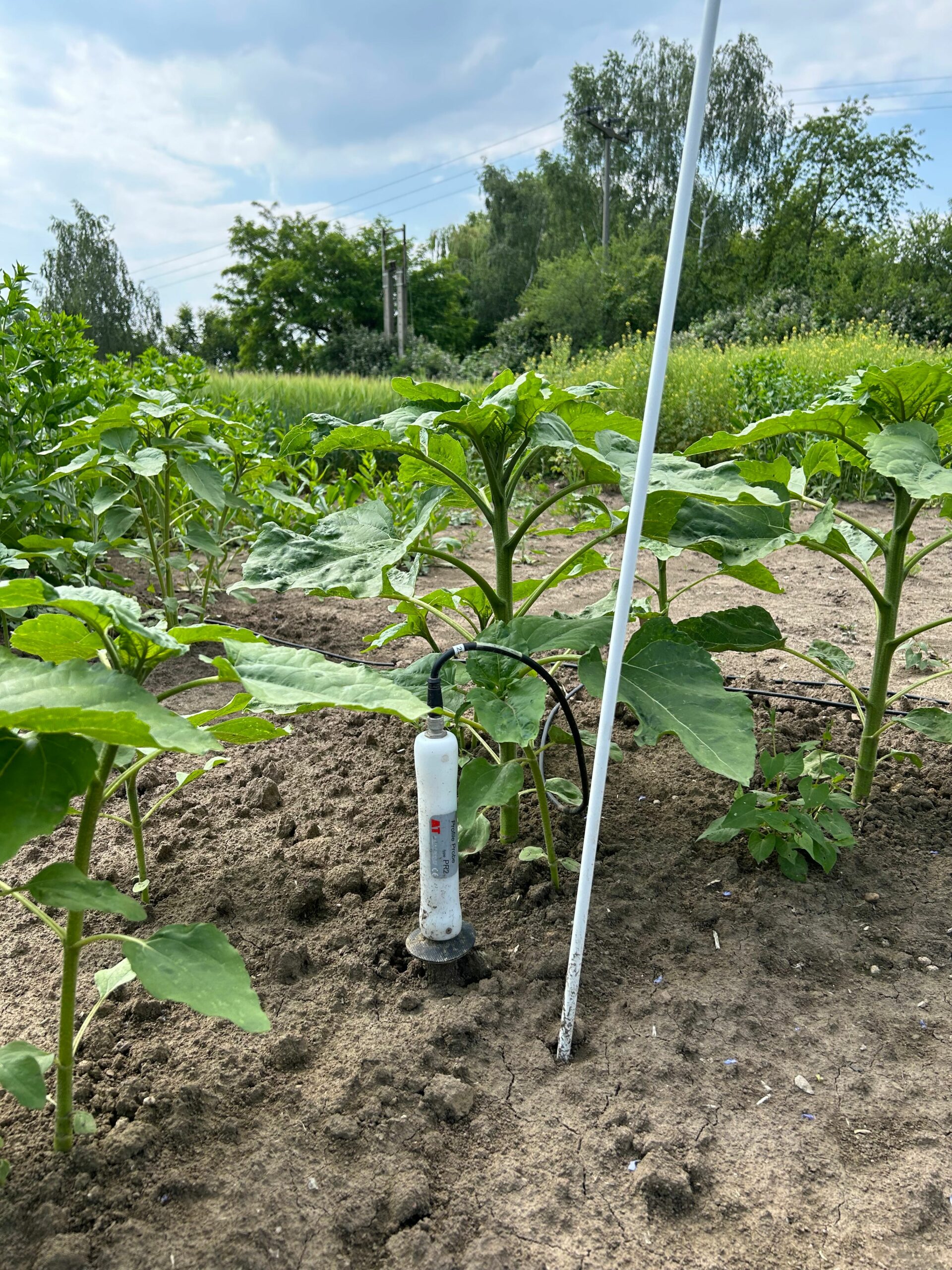
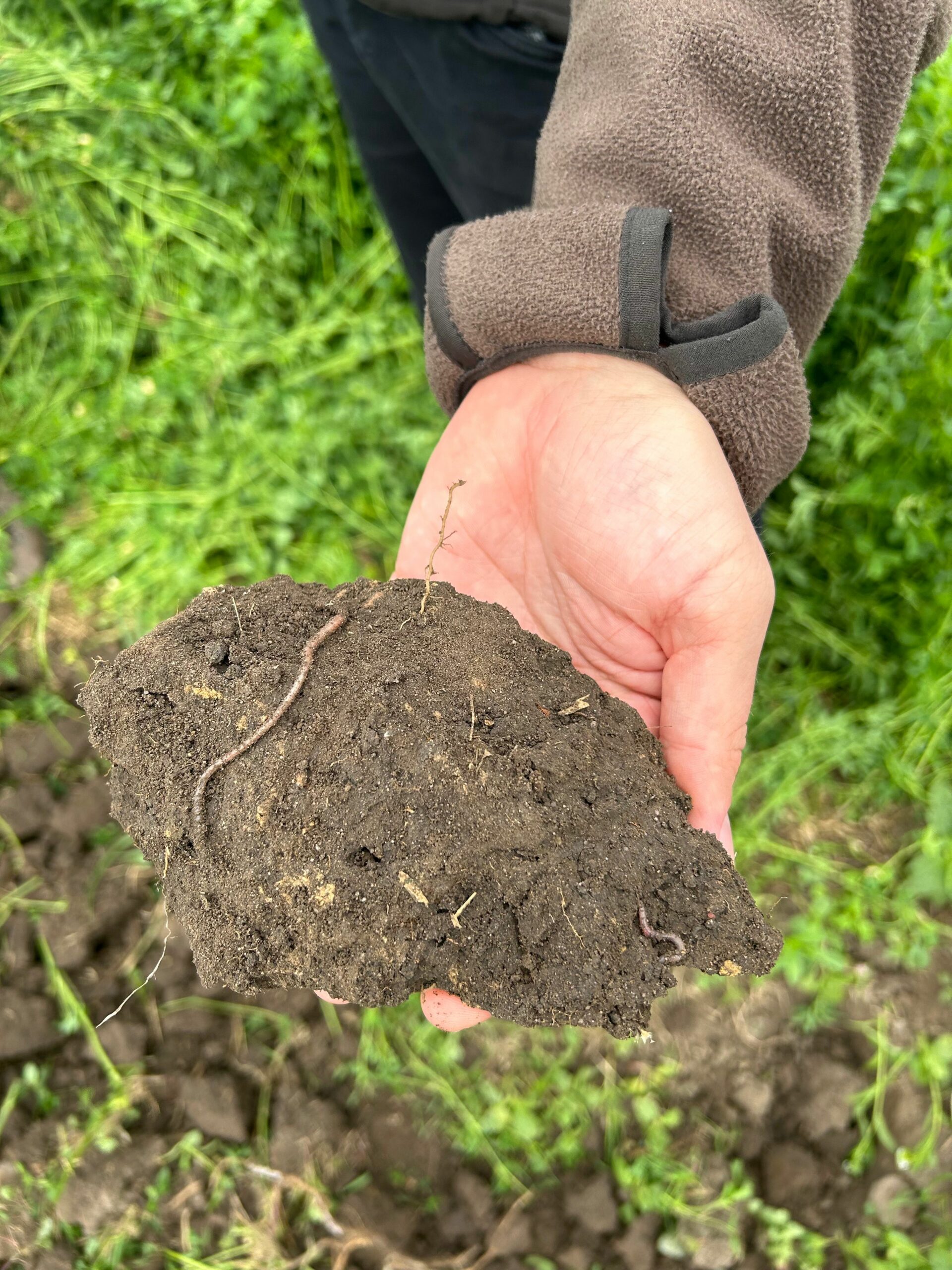
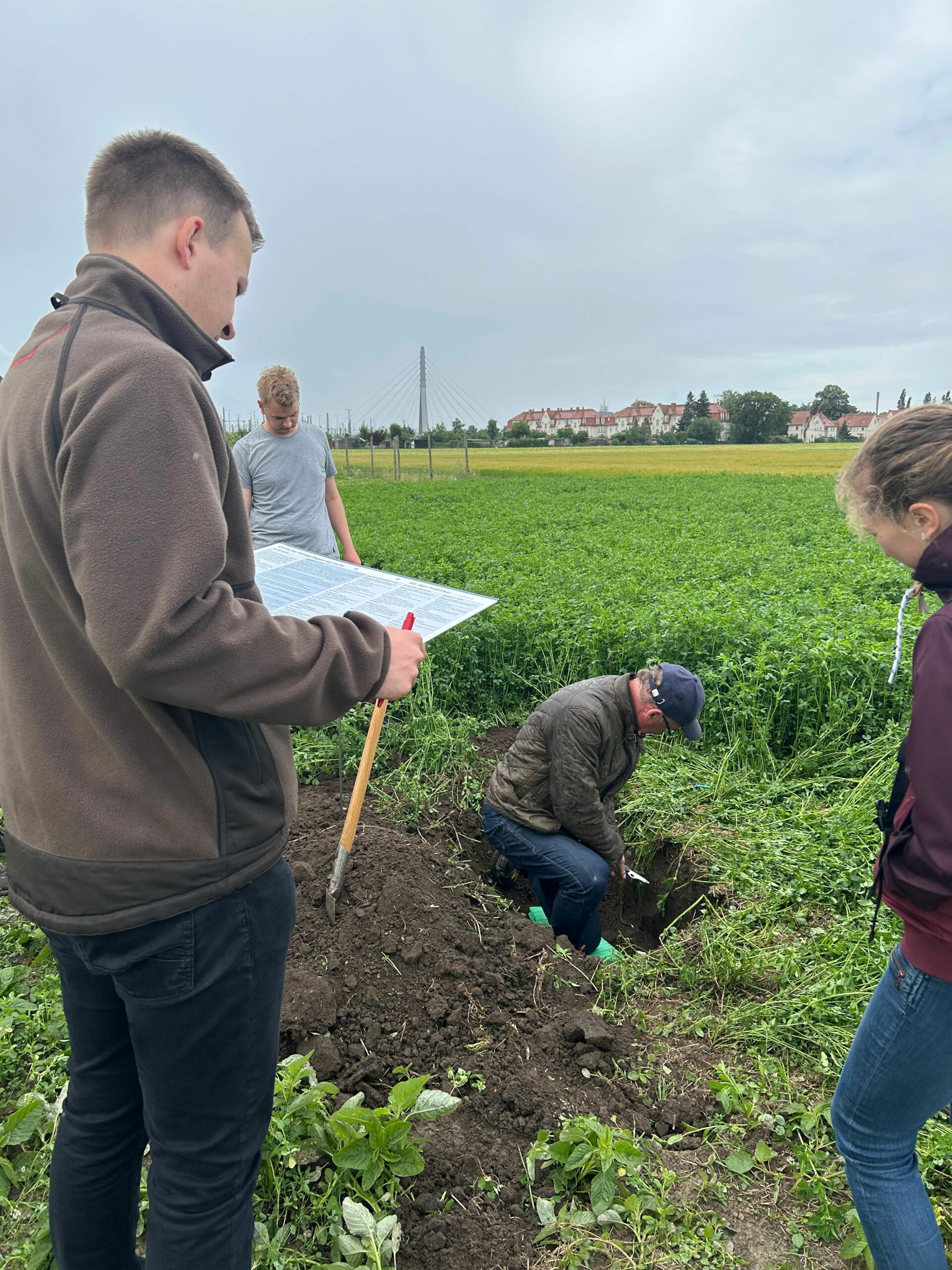

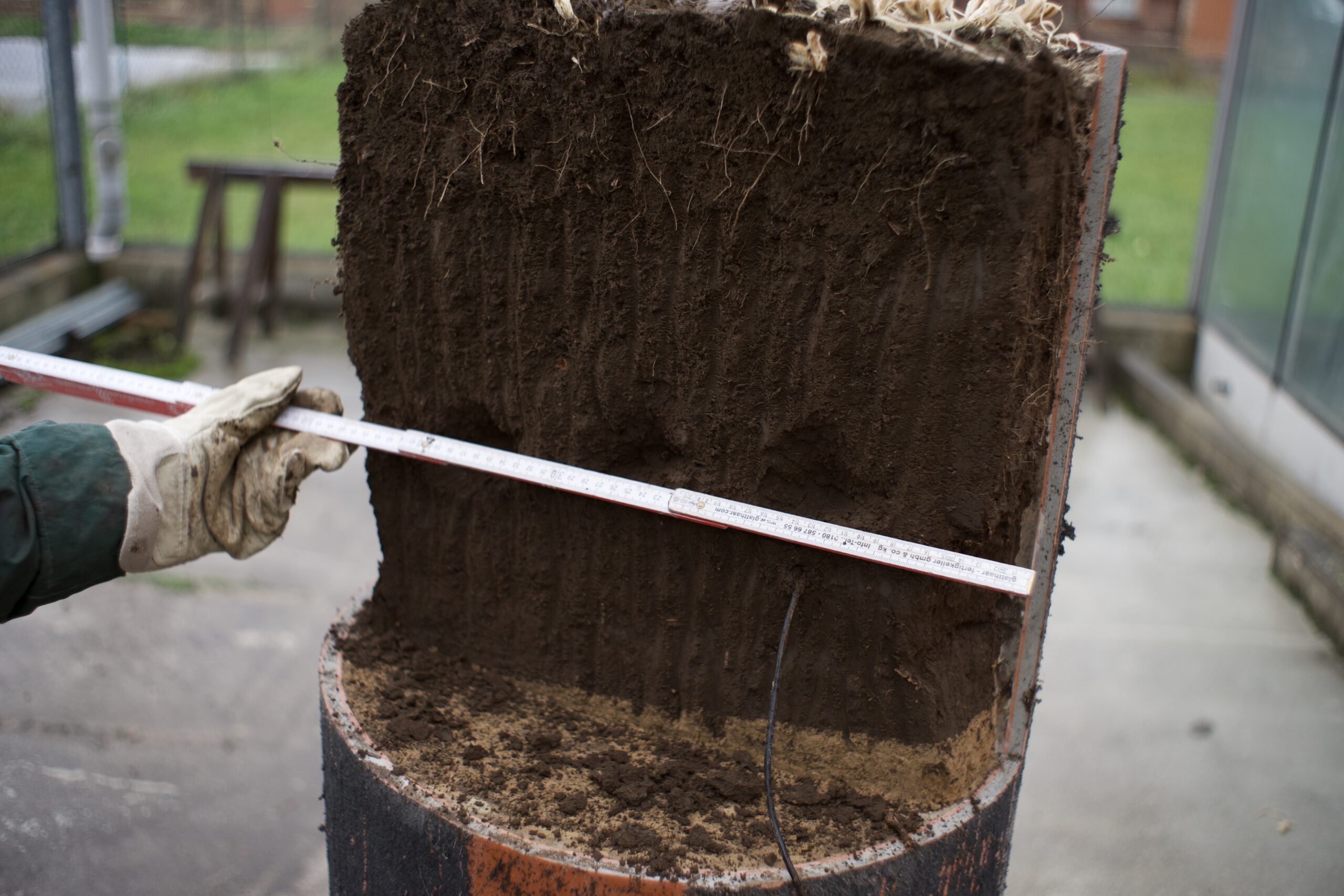
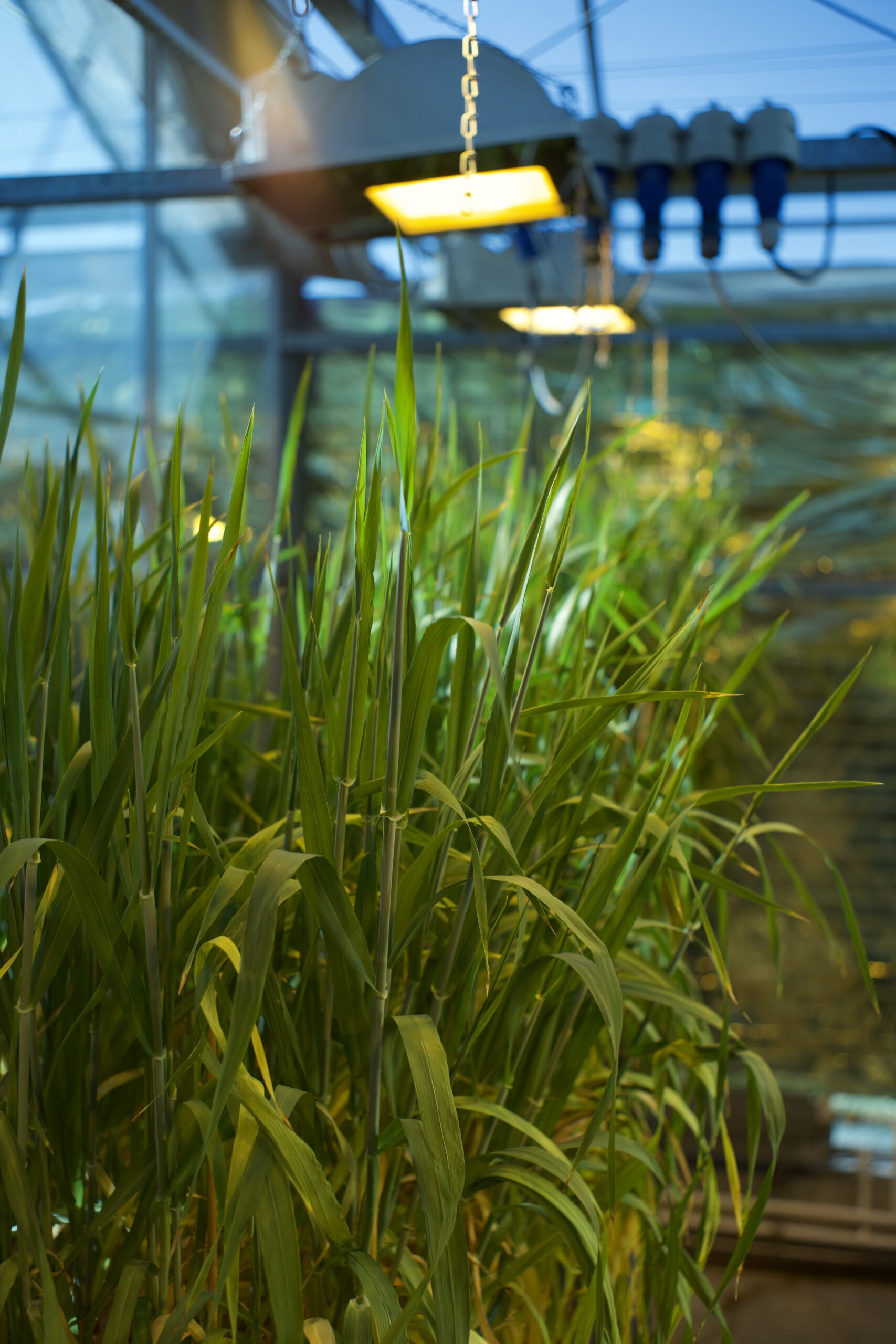


The goal of our research is to design sustainable and climate-resilient cropping systems. Specifically, we seek to understand the complex system of “soil × climate × crop × agronomic management”. Therefore, we evaluate different cropping systems in field experiments and analyse their performance, climatic resilience, and environmental impact. Here we focus on agronomic factors like crop rotational diversification, catch crops, plant residue management, fertilization and new tools like plant biostimulants.

One of our main research interests is to develop agronomic management strategies for improving soil fertility, notably chemical, biological and physical soil properties.
We further conduct research in the field of statistical analysis (e.g., mixed models, random forest models, maschine learning) and agro-ecological modelling based on field data. We use statistical approaches and mathematical-empirical/systemic models (e.g. BODIUM or APSIM) to simulate the complex interactions between soil properties, climatic conditions, agronomic management and cropping system performance. It allows us the prediction of the effects of agricultural management on eco-system functions.
LTEhub Halle: Research hub on long-term field experiments
Detailed information can be found here.

In addition, we have a particular interest in gaining new agronomical insights from long-term field experiments (LTEs), which are defined as field experiments running over more than 20 years. LTEs are of high importance for studying the sustainability of cropping systems and the effects of climate change on current & future food security. Based on LTEs, we work on the quantification of crop production, like yield and yield stability depending on agronomic treatments and environmental impact, and we assess aspects like nutrient cycling and interactions with the soil ecosystem.